
For many travelers, an overnight cruise through Halong Bay or Bai Tu Long Bay is one of the highlights of a trip to northern Vietnam. But if you’re prone to motion sickness, the thought of spending a night on the water can be a little concerning.
The good news is that seasickness on a Halong Bay cruise is usually manageable, especially when you know how to prepare. The waters in the bay are generally calmer than open seas, and choosing the right cabin, eating appropriately, getting enough rest, and spending time in fresh air can all help reduce discomfort.
Whether it’s your first cruise or you’re simply sensitive to motion, these practical tips can help you enjoy the scenery without letting seasickness take over your journey.
Is Seasickness Common on Halong Bay Cruises?
Seasickness is possible on any boat, but the experience in Halong Bay is often different from sailing on open ocean.
Halong Bay and Bai Tu Long Bay are relatively sheltered by hundreds of limestone islands and karsts. As a result, the water is often calm, particularly during favorable weather conditions.
However, some movement is still possible. Waves, wind, weather conditions, and the size of the vessel can all affect how much you feel the boat moving.
If you already know that you’re sensitive to motion, it’s better to prepare before boarding rather than waiting until symptoms appear.
Choose the Right Cabin
Where you sleep can make a noticeable difference if you’re susceptible to seasickness.
Choose a Lower Deck
Cabins located closer to the center and lower part of the vessel generally experience less movement than cabins at the highest levels.
If seasickness is a major concern, ask your cruise operator which cabins are located closest to the vessel’s center of gravity.
Choose a Cabin With a Window
A sea-view window can also be helpful.
Being able to look outside and see the horizon may help your brain reconcile what your eyes see with what your inner ear senses.
A balcony can be even better because it allows you to step outside and get fresh air whenever you need it.
Avoid the Front or Back of the Boat
The bow and stern tend to experience more noticeable movement than the middle of the vessel.
If you’re particularly sensitive to motion, a centrally located cabin is usually the better choice.

Get Enough Rest Before Your Cruise
Starting your cruise exhausted can make motion sickness feel worse.
Try to get a good night’s sleep before departure and avoid arriving at the marina after a long, tiring journey without taking a break.
Once onboard, give yourself time to adjust to the movement of the vessel rather than immediately filling your schedule with activities.
A relaxed start can make the first few hours much more comfortable.
Eat Light Before Boarding
What you eat before and during your cruise can affect how you feel.
Instead of boarding with a very full stomach, choose a light meal containing easily digestible foods.
Good options include:
- Rice
- Bread
- Bananas
- Crackers
- Light soups
- Fresh fruit
Avoid very heavy, greasy, or spicy meals if you know they tend to upset your stomach.
You should also avoid drinking too much alcohol before or during the cruise, as it can contribute to dehydration and make nausea feel worse.

Stay Hydrated
Dehydration can make you feel tired, dizzy, and generally unwell, which may compound the symptoms of motion sickness.
Drink water regularly throughout the day, particularly if you’re spending time outdoors in Vietnam’s warm and humid climate.
Small, frequent amounts are often easier to manage if you’re already feeling slightly nauseous.
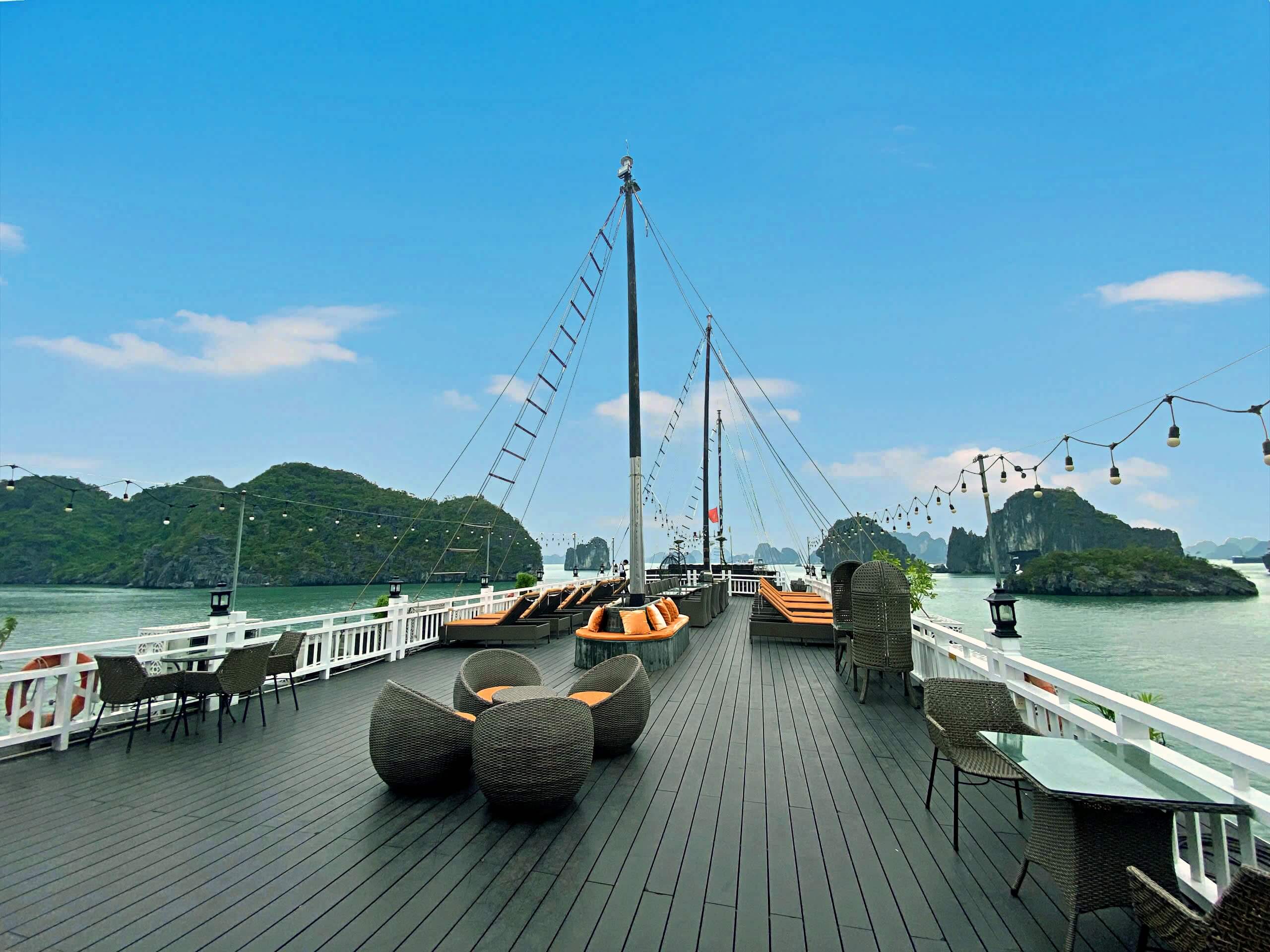
Spend Time on the Open Deck
If you begin feeling uncomfortable inside your cabin or restaurant, step outside.
The open-air sundeck is often one of the best places to be when you’re experiencing motion sickness because you can:
- Get fresh air
- Look toward the horizon
- Avoid stuffy indoor spaces
- Focus on the surrounding landscape
Instead of lying down in a closed cabin, try sitting somewhere with a clear view of the horizon and minimal movement.
Look at the Horizon
One of the simplest ways to reduce motion sickness is to look at a stable point in the distance.
Avoid spending long periods:
- Reading
- Looking at your phone
- Watching videos
- Working on a laptop
These activities can make the conflict between your visual system and inner ear more noticeable.
Instead, look toward the horizon or focus on distant limestone islands while the boat is moving.
Keep Your Head Still
Excessive head movement can make nausea worse.
If you’re sitting or lying down, try to keep your head relatively stable. Some travelers find that resting their head against a seat or pillow helps.
If you’re feeling uncomfortable, sit upright in a well-ventilated area and avoid repeatedly looking down at your phone.
Ginger May Help
Ginger is commonly used as a traditional remedy for nausea and may be helpful for some travelers.
You could consider bringing:
- Ginger tea
- Ginger candies
- Ginger biscuits
However, individual responses vary, and ginger should not be treated as a guaranteed solution.

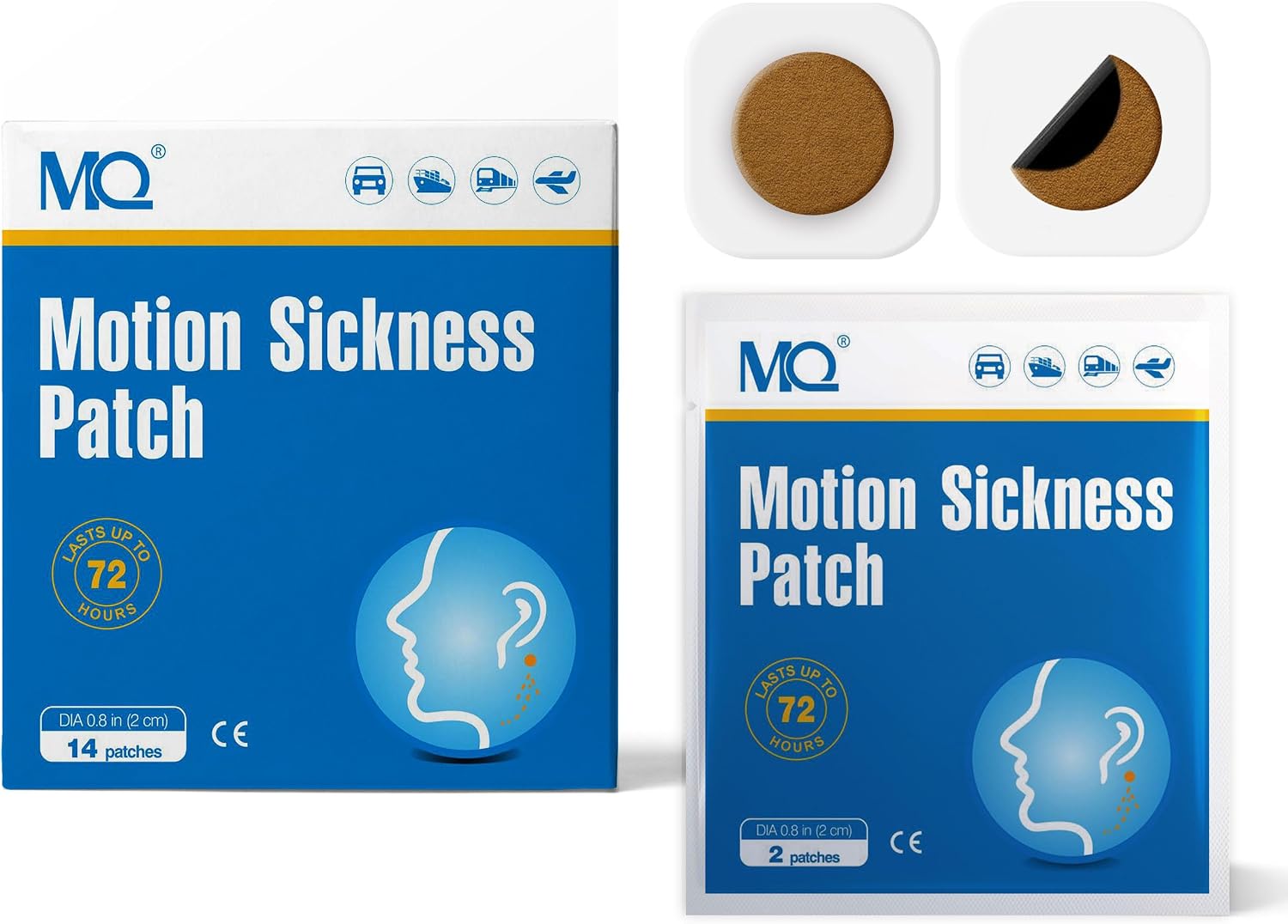
Consider Motion Sickness Medication
If you regularly experience motion sickness, you may want to discuss preventive medication with a doctor or pharmacist before your trip.
Some motion-sickness medicines work best when taken before symptoms begin rather than after nausea has already developed. However, they can cause side effects such as drowsiness, so it’s important to follow the product instructions and obtain appropriate professional advice.
Don’t wait until you’re already feeling severely unwell to think about prevention.
Choose a Smaller or Larger Cruise?
Interestingly, vessel size isn’t the only factor determining how much motion you’ll feel.
A larger cruise ship may feel more stable because of its size and weight, while a smaller boat may move more noticeably with waves.
On the other hand, boutique cruises often operate in quieter areas such as Bai Tu Long Bay, where sheltered waters and carefully selected anchorages can contribute to a peaceful experience.
If you’re particularly sensitive to motion, discuss your concerns with the cruise operator before booking. They can advise you about the vessel, cabin location, and itinerary.

Does Bai Tu Long Bay Have Calmer Waters?
Bai Tu Long Bay is generally considered a peaceful cruising environment because its numerous islands and limestone formations provide natural shelter from open-water conditions.
This makes the destination particularly appealing to travelers who prefer a slower and more tranquil cruise experience.
Boutique traditional junk cruises operating in Bai Tu Long Bay can also offer carefully planned routes and overnight anchorages designed around the local geography and weather conditions.
However, no cruise itinerary can guarantee completely still water. Weather and sea conditions can change, so it’s important to keep expectations realistic.
What to Do If You Start Feeling Seasick
If nausea starts developing, act early rather than trying to push through it.
Move to an open area, sit somewhere stable, and look toward the horizon. Take slow breaths and drink small amounts of water.
Avoid reading or using your phone, and give yourself time to recover before returning to activities.
If symptoms become severe or you feel significantly unwell, inform a crew member. Cruise staff are experienced in assisting passengers and can advise you on the available onboard support.
Seasickness Shouldn’t Stop You From Cruising
If you’re worried about seasickness, don’t automatically rule out an overnight cruise.
For most travelers, a few simple preparations can make the experience considerably more comfortable. Choosing a suitable cabin, getting enough rest, eating lightly, staying hydrated, and spending time in fresh air are all useful strategies.
More importantly, remember that Halong Bay is not an open-ocean voyage. The sheltered geography of the bay often creates relatively calm cruising conditions, allowing you to focus on the spectacular scenery rather than the movement of the boat.
Final Thoughts
Knowing how to prevent seasickness on a Halong Bay cruise can make your journey much more enjoyable, particularly if you’re traveling by boat for the first time.
Preparation starts before you board. Choose a centrally located cabin, get plenty of rest, eat light meals, stay hydrated, and avoid spending too much time looking at screens while the boat is moving. If you’re prone to motion sickness, consider discussing preventive options with a healthcare professional before your trip.
And if you still feel a little uneasy, step outside, breathe in the fresh air, look toward the horizon, and let the spectacular limestone landscape remind you why you chose to cruise Halong Bay in the first place.
FAQs
Is seasickness common on Halong Bay cruises?
Seasickness can occur on Halong Bay cruises, but the bay is generally more sheltered than open ocean because of its numerous limestone islands and karsts. Many travelers experience little or no discomfort. However, sensitivity varies from person to person, and weather conditions can affect how much movement you feel during the cruise.
Where is the best cabin to stay if I get seasick?
If you’re prone to seasickness, a cabin located near the middle of the vessel and on a lower deck is generally a good choice because these areas tend to experience less movement. A cabin with a window or balcony can also be helpful because fresh air and a view of the horizon may make it easier to manage motion sickness.
What should I eat before a Halong Bay cruise?
It’s generally better to eat a light, easily digestible meal before boarding rather than having a very heavy meal. Foods such as rice, bread, bananas, crackers, and light soups can be suitable choices. If you are prone to nausea, you may also want to avoid excessive alcohol, greasy food, or very spicy dishes before and during the cruise.
Should I take seasickness medicine before a Halong Bay cruise?
Travelers who frequently experience motion sickness may consider preventive medication, but it’s best to discuss suitable options with a doctor or pharmacist before traveling. Some medications need to be taken before symptoms begin and can cause drowsiness or other side effects, so always follow the product instructions and professional medical advice.
Is Bai Tu Long Bay a good choice for travelers worried about seasickness?
Bai Tu Long Bay can be a good option for travelers who prefer a quieter cruising environment. Its sheltered geography and numerous islands can contribute to calmer waters, while boutique cruises often follow slower-paced itineraries. However, sea conditions can change with weather, so no destination or cruise can guarantee completely motionless water.


 Français
 Tiếng Việt